
By the second week of January, most people are already tired of trying to improve themselves.
The plans were ambitious. The follow-through was harder than expected. That’s normal.
What usually gets people isn’t effort. It’s friction. Too many rules. Too much structure. Too many things that require you to feel motivated before you even start.
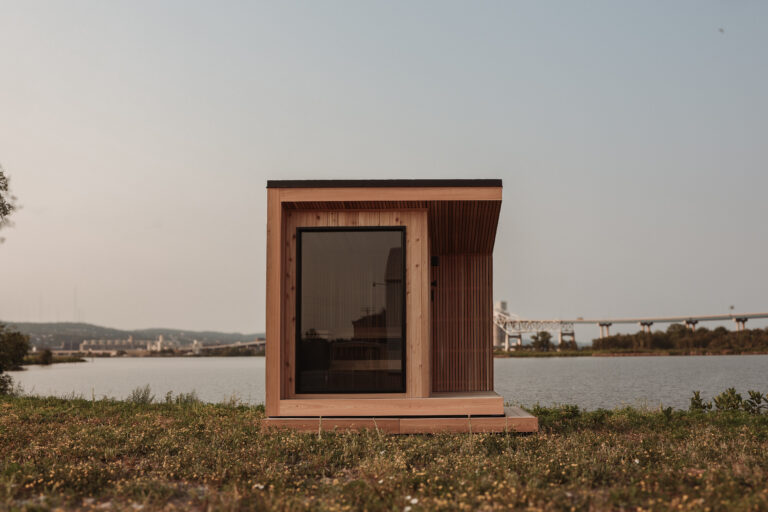
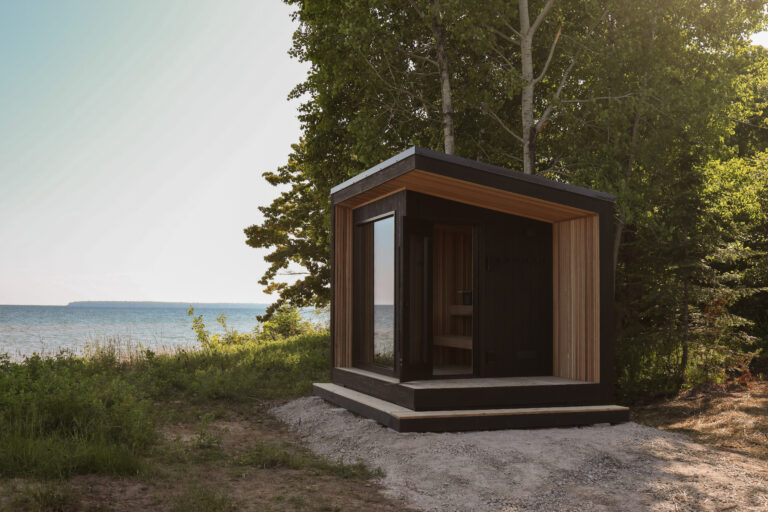
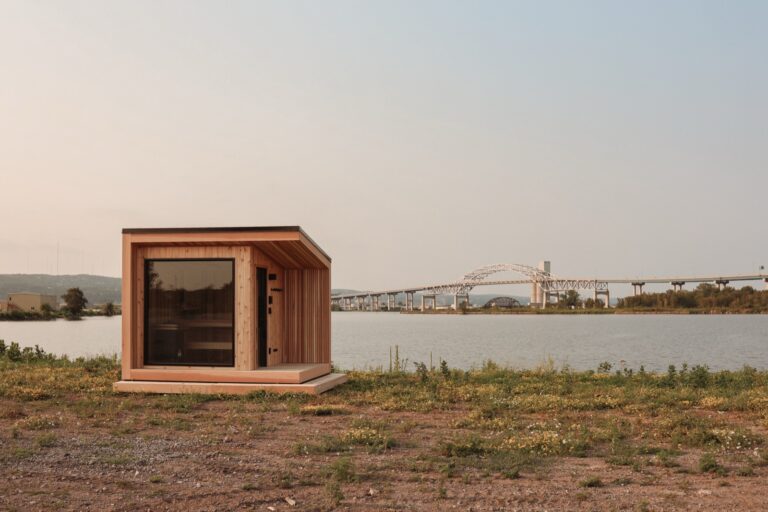
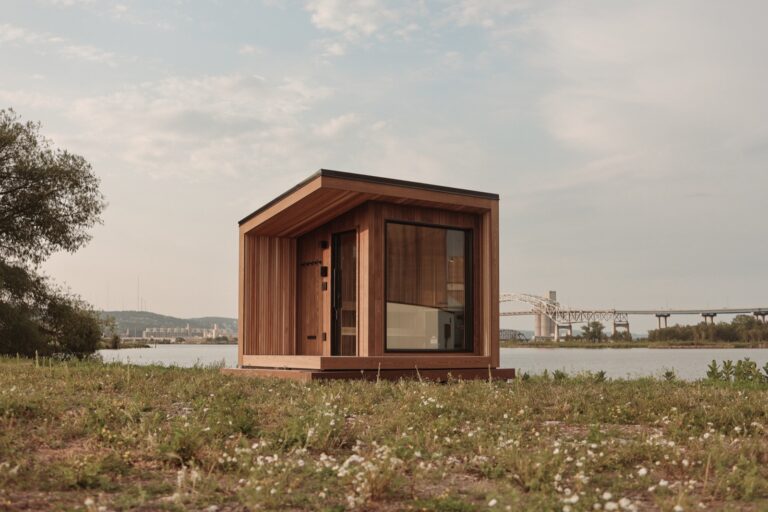
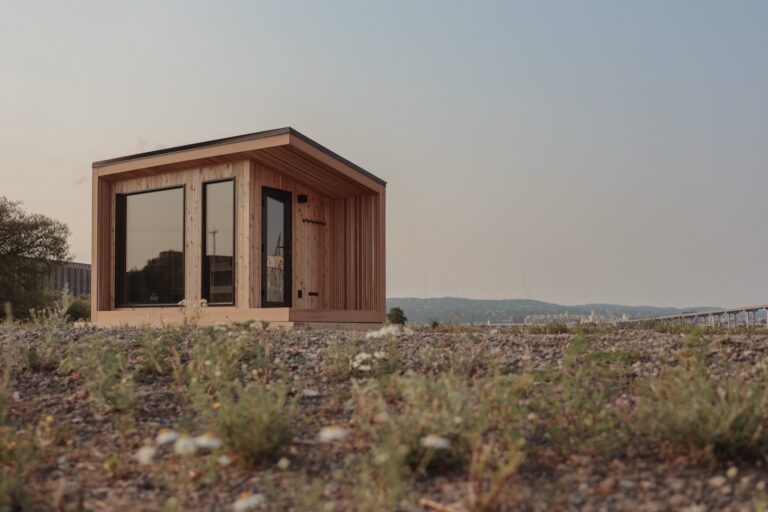
An at-home Nordic sauna works in the opposite direction. It doesn’t ask you to change your schedule or track your behavior. It gives you a place to sit, warm up, and step out feeling a little better than when you went in.
That’s why it tends to stick.
Sauna isn’t new. In Finland, it’s part of everyday life. People sauna after work, after training, with friends, with family. It’s so ingrained that Finnish sauna culture is recognized by UNESCO as a living tradition built around restoration and togetherness.
That history matters. Practices that last usually do so because they fit into real life.
9 benefits of an at-home sauna for New Year’s resolutions (without the overwhelm)
1. A tradition that gives you structure (and a little meaning)
Sauna is not just “hot room, sweat, leave.” In Finnish sauna culture, it’s a regular practice tied to restoration, quiet, and time together. That matters because people are more likely to return to something that feels grounding, not performative.
2. Cardiovascular support that feels like self-care, not punishment
Long-term observational research in Finland has found that people who sauna more frequently tend to have lower risk of fatal cardiovascular events and all-cause mortality. These studies don’t prove cause and effect, but the pattern shows up consistently.
In the sauna, heart rate rises and blood vessels dilate. It challenges the cardiovascular system gently, without impact or intensity.
3. Blood pressure-friendly heat (especially when it becomes a habit)
A prospective cohort study found that more frequent sauna bathing was associated with a reduced risk of developing hypertension.
Other experimental research shows sauna sessions can temporarily lower blood pressure and improve markers tied to vascular function.
The key is repetition over time, not pushing extremes.
4. A reset for stress and recovery
Reviews of the scientific literature suggest sauna bathing influences the autonomic nervous system, which plays a central role in stress and recovery.
Most people leave the sauna feeling settled, not stimulated. That alone makes it easier to come back.

5. Mental health support, with early clinical evidence behind heat
A randomized clinical trial of whole-body hyperthermia found an antidepressant effect compared to a sham treatment, with benefits lasting through follow-up.
Population data points in a similar direction. A study in northern Sweden found that sauna users reported better mental and physical health, along with fewer sleep problems and anxiety symptoms, while noting differences between groups such as age.
Sauna isn’t a replacement for mental health care. But it supports the conditions that make people feel more stable.
6. Better sleep through a simple temperature shift
Many people report that sauna helps them sleep. In the Global Sauna Survey, about 83 % of regular sauna bathers said they experienced sleep benefits from their sessions. These were people from Finland, Australia, and the U.S. who saunaed about once or twice a week.
The study wasn’t a controlled lab experiment. It was a large cross-sectional survey of actual sauna users and how they feelafter sessions, but sleep came up again and again alongside relaxation and stress relief.
This matches what the other sleep research suggests: warming up in controlled heat and then cooling down at the end of a sauna session supports the body’s natural rhythm for rest and relaxation, which can make falling asleep easier.
Warm up. Cool down. Let your body do what it already knows how to do.
7. Brain health signals worth paying attention to
A prospective study of middle-aged Finnish men found that more frequent sauna bathing was associated with a lower risk of dementia and Alzheimer’s disease later in life. This shows association, not causation, but it’s a signal worth noting.
8. Social time without the pressure to perform
An at-home sauna makes it easier to be together without turning it into an event. No reservations. No distractions. No need to entertain.
In the Swedish MONICA population study, sauna bathing often appeared in social settings, and sauna users reported higher overall wellbeing.
9. You start to show up more consistently
This is the part people don’t plan for.
Sauna is a habit that’s easy to return to. Over time, it reinforces the idea that taking care of yourself doesn’t have to be complicated or dramatic. It just has to be something you actually do.
How to make sauna your easiest “stick with it” resolution
How to make sauna your easiest “stick with it” resolution
- Start small on purpose.
Two sessions a week is enough to feel a difference. Keep them short enough that you can still make it on busy days. - Attach it to something that already exists.
After dinner. After a workout. Same days each week removes decision-making. - Make it enjoyable.
Water. A towel. Quiet. Music if you want. Cold if you like it. The goal is to want to come back. - Invite someone occasionally.
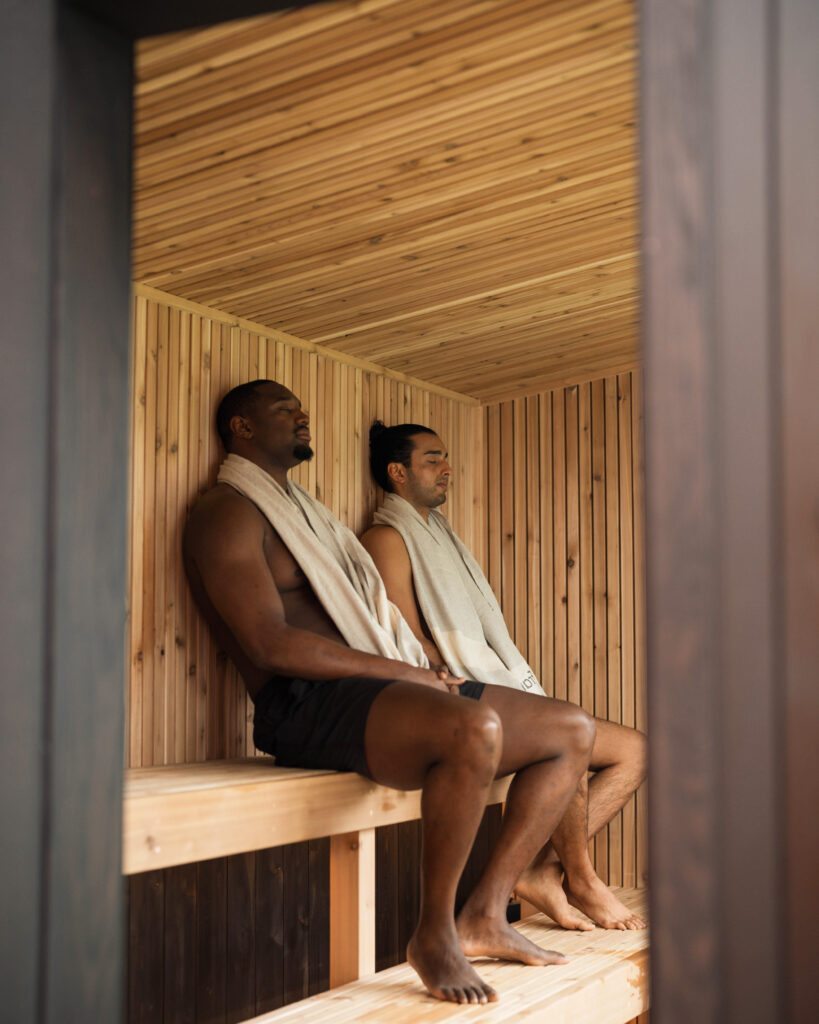
Sauna is one of the few wellness habits that works just as well shared as it does alone. Inviting a partner or friend is a great way to keep each other accountable (and make it fun.)
A quick note: Sauna is generally well tolerated for many people, but it isn’t universal. If you are pregnant or managing cardiovascular conditions, talk with your healthcare provider before starting or changing heat exposure habits.
How to get started with sauna
If sauna feels like something you want to keep in your life, the next step doesn’t have to be complicated.
The simplest way to start an at-home sauna project is with our sauna configurator tool. It lets you design your Nordic sauna, see it on your property with AR, and understand the investment before moving forward.
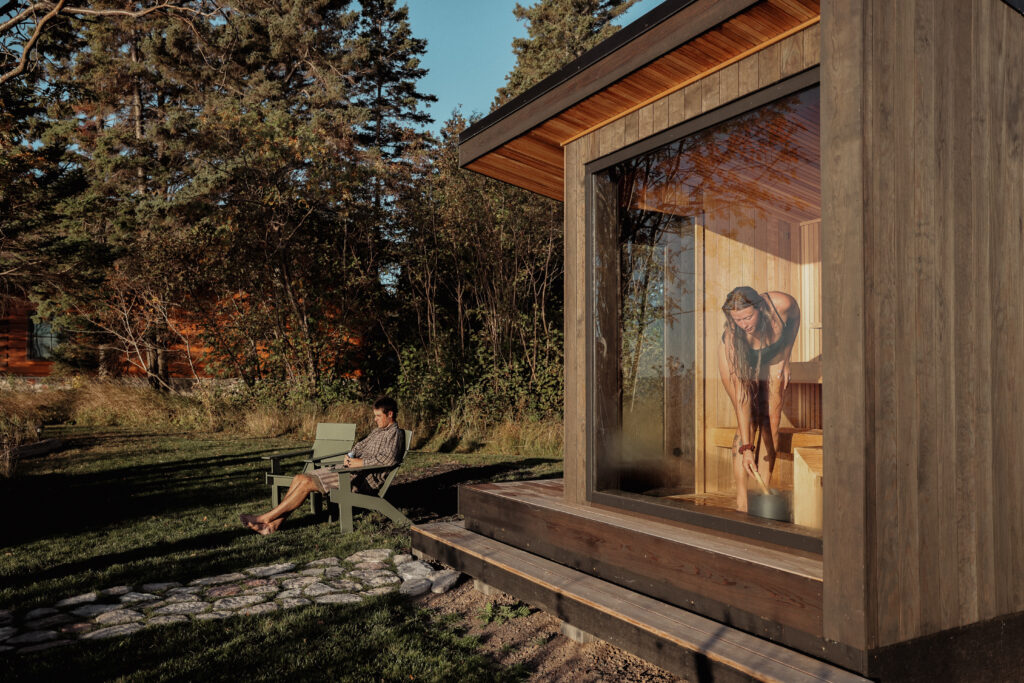
For many people, the appeal of an at-home sauna is that it lives outdoors. Stepping into the heat after time outside, in every season, changes the experience. Cold air in winter. Cool evenings in summer. Quiet mornings in the shoulder seasons. Being outside slows things down in a way indoor spaces rarely do, and it’s a big part of why outdoor sauna tends to become a lasting ritual, not just a feature in the backyard.
Others want to build the habit first. If you’re local to Duluth, our unlimited monthly memberships at the Cedar & Stone Duluth experience allow you to sauna up to five times a week. It’s a way to find your rhythm, spend regular time outdoors year-round, and see how sauna fits into your life before bringing it home.
Both paths lead to the same place. A simple practice you’ll actually return to, in every season.
Start where it feels easiest.