Winter changes more than the weather. It changes the body.
As daylight shortens and temperatures drop, many people experience measurable shifts in mood, sleep, energy, and motivation. According to the American Psychiatric Association, approximately 5% of U.S. adults experience Seasonal Affective Disorder (SAD), a type of depression linked to seasonal light changes. An additional APA survey reports that nearly 40% of Americans notice a decline in mood during the winter months.
Reduced sunlight disrupts circadian rhythm and affects serotonin and melatonin, the hormones that regulate sleep and emotional stability, as explained by Harvard Health Publishing.
Winter is not simply uncomfortable. It is biological.
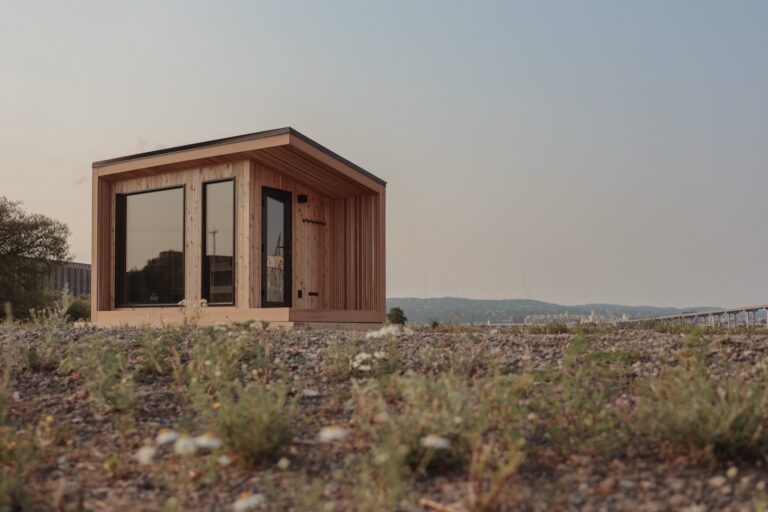
For centuries, Nordic cultures responded to this reality with structure, ritual, and heat. Sauna was central to winter life. Today, modern research is helping explain why.
Below are five science-backed winter sauna benefits, and why using a sauna in winter can support mental health, cardiovascular function, sleep, and social connection.
Watch the full breakdown here:
1. Sauna in Winter Supports Cardiovascular Health
One of the most researched winter sauna benefits is cardiovascular support.
A 20-year longitudinal study published in JAMA Internal Medicine (Laukkanen et al., 2015) followed more than 2,000 men and found that frequent sauna bathing was associated with a significantly reduced risk of fatal cardiovascular disease and all-cause mortality. Those who used a sauna 4–7 times per week had substantially lower risk than once-weekly users.
A subsequent review in Mayo Clinic Proceedings (Laukkanen & Kunutsor, 2018) concluded that sauna bathing improves vascular function and produces heart rate elevations similar to moderate exercise.
During winter, when physical activity often decreases, sauna provides meaningful cardiovascular stimulation. Heart rate rises, circulation improves, and blood vessels dilate. These physiological responses make sauna in winter especially valuable when movement declines and cold constricts blood flow.
2. Sauna for Seasonal Depression and Mood Regulation
Many people search for sauna for seasonal depression or sauna for SAD. While sauna is not a clinical treatment for depression, its physiological effects align with systems disrupted during winter.
Seasonal Affective Disorder is closely tied to reduced light exposure and circadian disruption. As noted by the American Psychiatric Association and Harvard Health, winter light loss affects serotonin regulation and melatonin timing.
Sauna exposure activates the autonomic nervous system and promotes relaxation. The systematic review by Hussain & Cohen (2018) found that regular dry sauna bathing was associated with improvements in overall well-being and sleep outcomes in several studied populations.
In winter, when stress levels may increase and mood can dip, sauna provides structured heat exposure that supports nervous system regulation. While it should not replace medical treatment for SAD, it can serve as a complementary lifestyle practice that promotes resilience during colder months.
3. Sauna and Circadian Rhythm Support
One of the lesser-discussed winter sauna benefits is circadian rhythm reinforcement.
Short winter days reduce natural light cues that regulate the sleep-wake cycle. Harvard Health explains that decreased daylight alters melatonin production and can lead to fatigue and sleep disruption.
Sauna use in the evening may help reinforce circadian rhythm through thermoregulation. Heat exposure raises core temperature, and the gradual cooling period afterward mirrors the body’s natural preparation for sleep. The review by Hussain & Cohen (2018) noted improvements in sleep quality among regular sauna users.
Consistent sauna use at a similar time each day creates rhythm when environmental cues are diminished. In winter, rhythm becomes stability.
4. Outdoor Sauna in Winter Encourages Time in Nature
Research published in Scientific Reports (White et al., 2019) found that spending at least 120 minutes per week in nature was associated with significantly better health and well-being. Importantly, the type of activity mattered less than simply being outdoors.
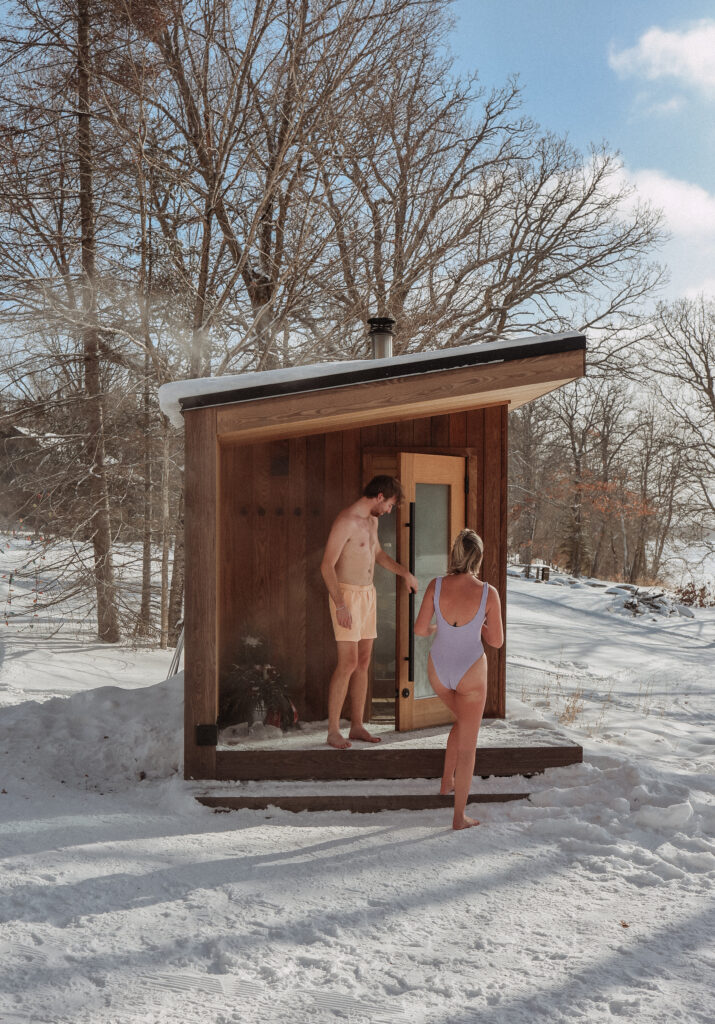
An outdoor sauna in winter naturally encourages regular time outside, even in cold climates. Stepping into fresh air between heat sessions increases exposure to natural light and seasonal elements.
For those researching outdoor sauna winter benefits, this combination of heat and nature exposure is particularly powerful. It integrates thermal contrast with consistent engagement with the natural environment, rather than retreating indoors for the entire season.


5. Sauna Mental Health Benefits Through Social Connection
Winter often reduces spontaneous social interaction. Isolation increases, particularly in colder climates where people spend more time indoors.
While loneliness research is broad and ongoing, public health institutions increasingly recognize social isolation as a meaningful health concern.
Sauna has historically functioned as a communal space. In Nordic cultures, sauna gatherings have long supported conversation, shared ritual, and social bonding. While modern sauna use varies, creating a shared winter ritual supports connection at a time when many people experience social withdrawal.
When evaluating sauna mental health benefits in winter, community is a meaningful factor alongside physiology.
Why Sauna Is Essential in Winter
Winter impacts:
- Mood regulation
- Circadian rhythm
- Physical activity levels
- Cardiovascular conditioning
- Social interaction
The research shows that sauna bathing positively influences cardiovascular health, circulation, sleep, and overall well-being. When used consistently, sauna in winter becomes more than comfort. It becomes structure.
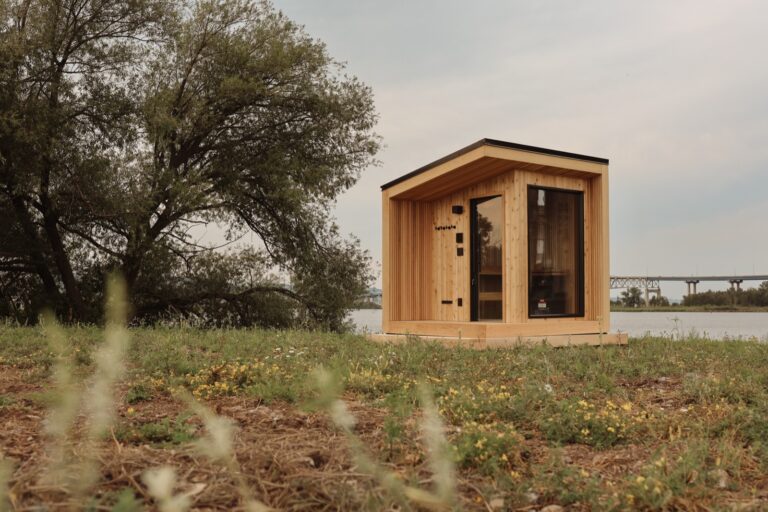
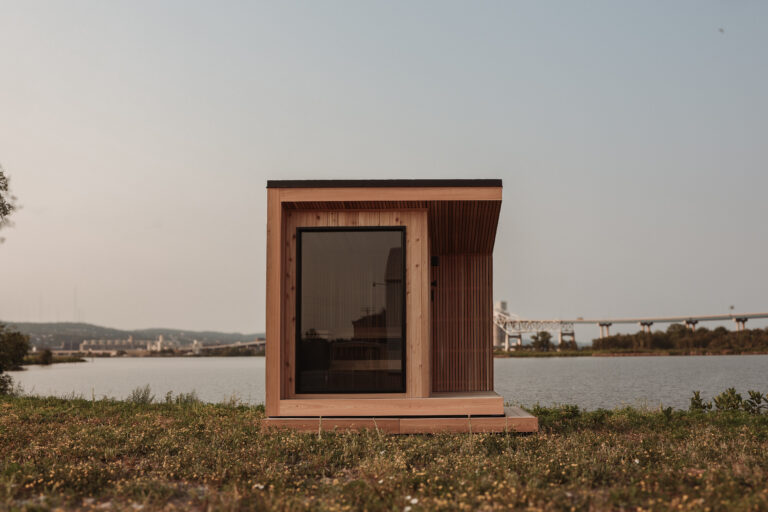
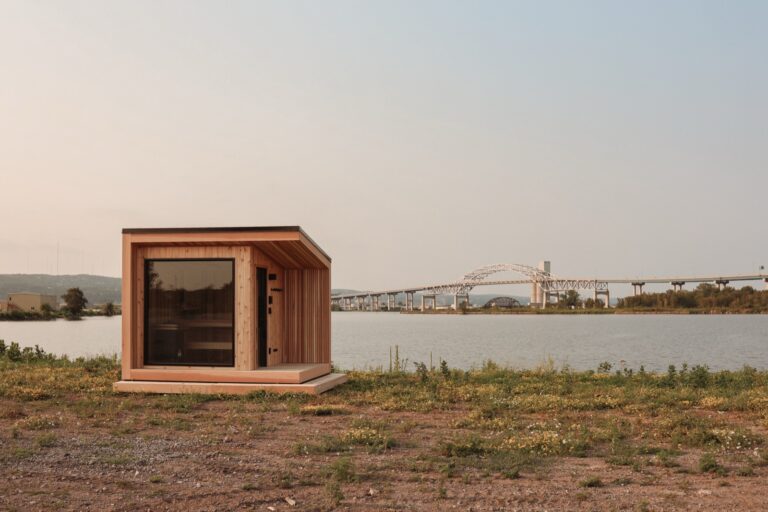
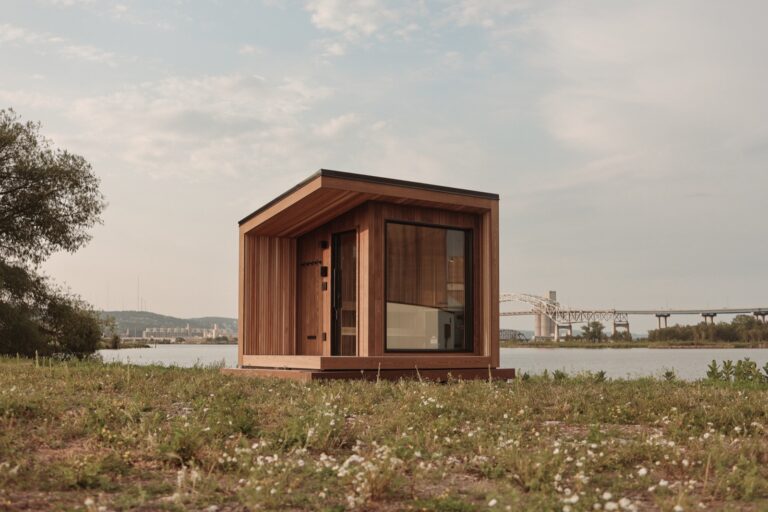
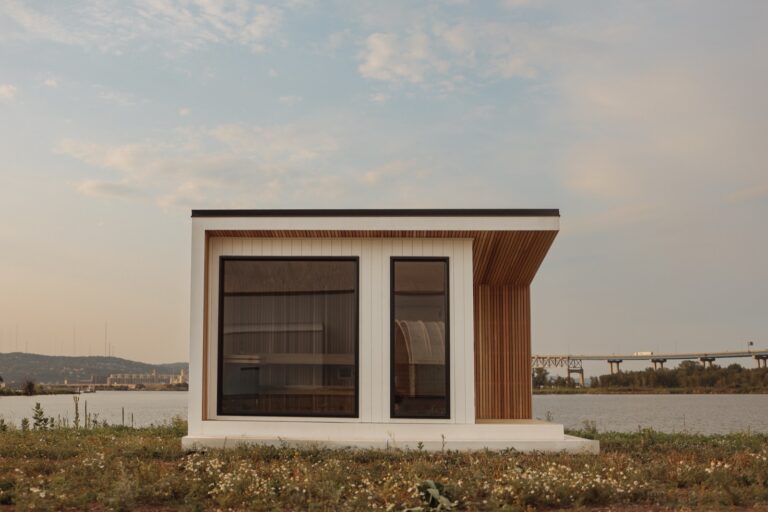
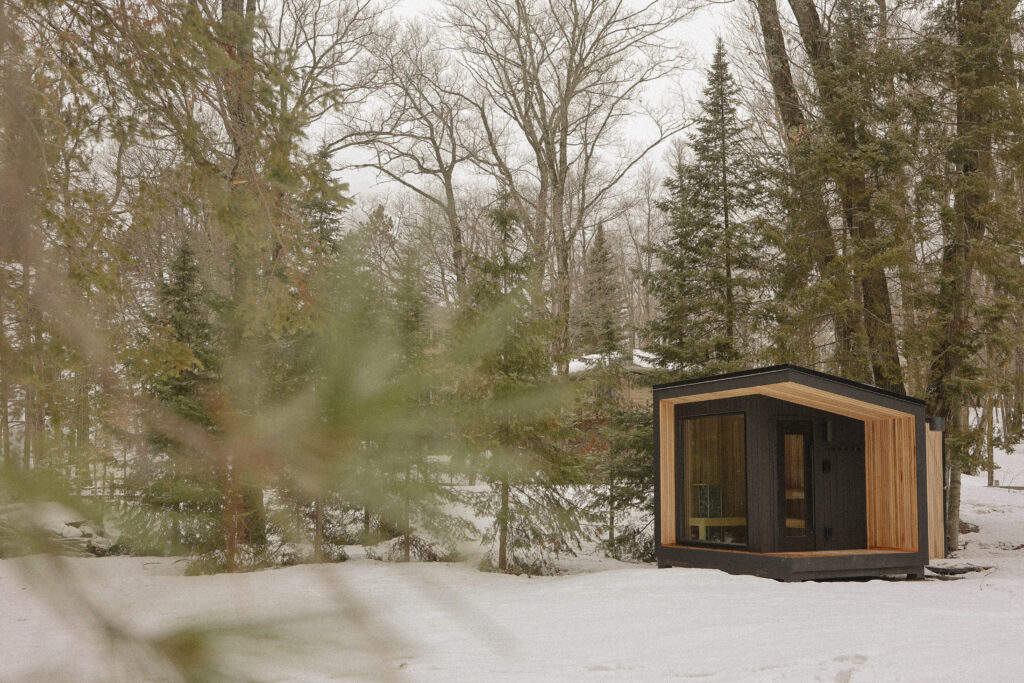
At Cedar & Stone, we design outdoor saunas engineered specifically for real winter climates. Our builds emphasize thermal mass, durability, and year-round usability, making consistent winter sauna use both practical and sustainable.
If you want to explore the science and philosophy in more depth, watch the full video:
5 Science-Backed Reasons Sauna Is Essential in Winter
And if you are considering adding an outdoor sauna to your home or commercial space, our team would be honored to help you design a sauna built for both summer evenings and the heart of winter.
Book a sauna consultation
Explore saunas for home and business
Sources
American Psychiatric Association. Seasonal Affective Disorder (SAD).
https://www.psychiatry.org/patients-families/seasonal-affective-disorder
American Psychiatric Association. Nearly 4 in 10 Americans report mood changes in winter.
https://www.psychiatry.org/news-room/news-releases/nearly-4-in-10-americans-report-mood-changes-in-winter
Harvard Health Publishing. Shining a light on winter depression.
https://www.health.harvard.edu/newsletter_article/shining-a-light-on-winter-depression
White, M. P., et al. (2019). Spending at least 120 minutes a week in nature is associated with good health and wellbeing. Scientific Reports, 9, 7730.
https://www.nature.com/articles/s41598-019-44097-3
Laukkanen, T., et al. (2015). Association between sauna bathing and fatal cardiovascular and all-cause mortality events. JAMA Internal Medicine, 175(4), 542–548.
https://jamanetwork.com/journals/jamainternalmedicine/fullarticle/2130724
Laukkanen, J. A., & Kunutsor, S. K. (2018). Is sauna bathing protective of cardiovascular and other health outcomes? Mayo Clinic Proceedings, 93(8), 1111–1121.
https://www.mayoclinicproceedings.org/article/S0025-6196(18)30275-1/fulltext
Hussain, J., & Cohen, M. (2018). Clinical effects of regular dry sauna bathing: A systematic review. Evidence-Based Complementary and Alternative Medicine, 2018, 1857413.
https://www.hindawi.com/journals/ecam/2018/1857413/