What architects and specifiers need to know before sauna hits the plans
Sauna as a wellness amenity has come a long way from the cheap and dingy gym sauna. Today, one of the leading investments developers, hoteliers, and owners are making is in wellness real estate. Building spaces that make people feel and live healthier.
This matters for architects, designers, and luxury builders. According to the Global Wellness Institute: “Wellness-focused residential properties can command a price premium of 10–25% (for properties positioned at the middle and upper ends of the market, based on GWI analysis), while commercial buildings have demonstrated a 4.4–7.7% rental premium per square foot (based on data from MIT).”
With that growth, the data keeps pointing to the same conclusion: sauna is one of the most impactful additions you can make. Yet for many design professionals, it’s a technical area that deserves expert support. Our team at Cedar & Stone loves supporting these commercial sauna projects. Below, we’ll take a deep dive into the most common issues we see when saunas aren’t designed properly (and why you should think twice about hiring someone who’s never built a sauna before.)
Not just a trend — sauna’s history informs its design
Sauna is one of the oldest wellness practices on earth. For centuries, Finns have treated it not as a luxury or an amenity, but as a way of life. A ritual built around a simple, profound cycle: heat the body deeply, cool it completely, rest, rehydrate, and repeat. That cycle, done right, is restorative in ways that few things in the built environment can match.
When we design a sauna, we take that lineage seriously. The thermic cycle isn’t a feature. It’s the whole point. Every decision, from how air moves through the room to how the bench meets the body, either supports that experience or compromises it. When a sauna is designed without that understanding, the failure isn’t just technical. It’s a missed opportunity to give someone access to something that has served human health and community for generations.
That’s why design precision matters here more than in most spaces. Sauna isn’t a room to be roughed in and figured out later. It’s a discipline with its own thermal logic, material requirements, and sensory demands. We’ve seen the same mistakes show up across residential and commercial projects, and they tend to follow a familiar pattern.
Here are the seven that matter most.
1. Poor Ventilation
The sin of suffocation
Ventilation in a sauna isn’t just a comfort issue. It’s a performance and longevity issue. Without a properly designed intake and exhaust system, you get uneven heat distribution, accelerated moisture damage, and a room that feels oppressive rather than restorative.
Think of it this way: the humans in the room need to breathe, and so does the sauna itself.
The fix isn’t complicated, but it requires intent and should be specified based on the use case. Indoor vs. outdoor saunas have different ventilation requirements, just as wood-fired, electric, and gas heaters all demand specific CFM and ventilation needs. Commercial projects demand much more air turnover, especially for larger spaces with more guests and more frequent use.

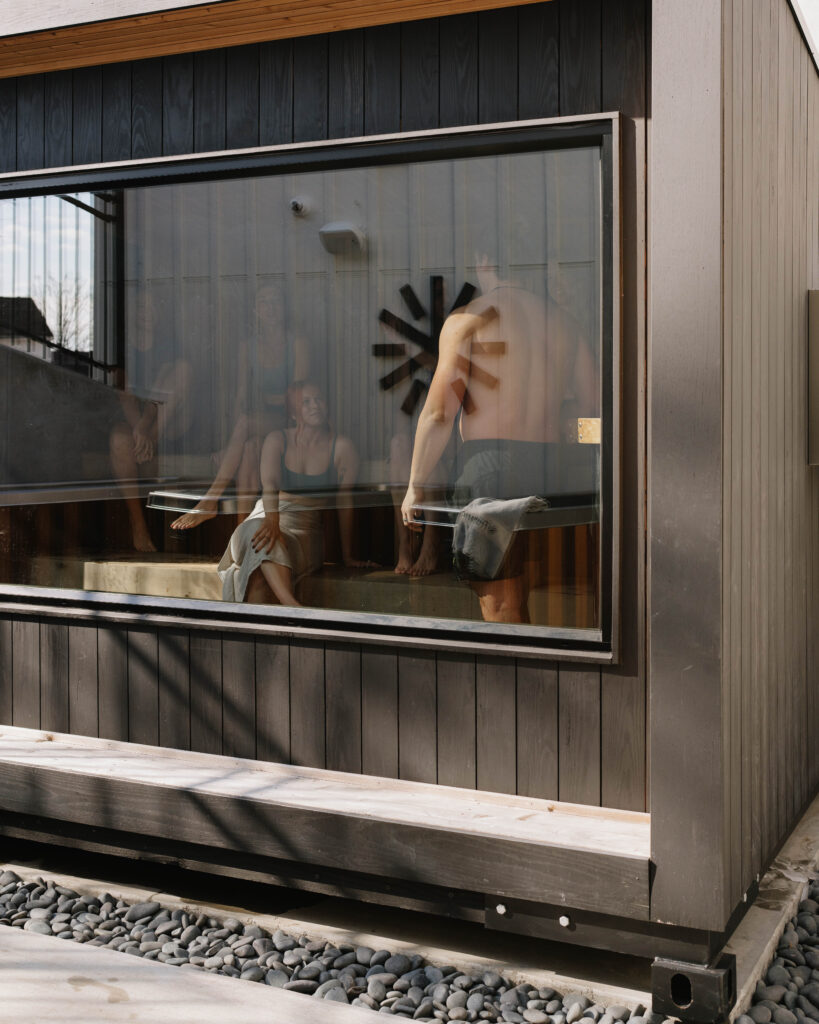
Fresh air intake goes low, near the heater. Exhaust goes near the ceiling or under the top benches on the opposite wall to drive circulation. The balance matters too. Over-ventilate and you bleed heat. Under-ventilate and you’ll see people yawn, get dizzy, or feel lightheaded. This is the kind of detail that belongs in the spec, not left to a GC to figure out on-site after the fact.
2. Incorrect Heater Sizing and Placement
The sin of uneven heat and unnecessary risk
The heart of the sauna is the heater. A great sauna is created only with great heat. We think about heat with a level of nuance that most people reserve for wine, food, and spirits. Perhaps we’re your sauna sommeliers.
The goal for any sauna is the right balance of radiant, convective, and conductive heat. Many people think of sauna as just a hot room, and have been misled into thinking they can’t throw water on the heater because of a sign at their neighborhood gym. We’re sorry to say the local insurance team created the myth of the “dry sauna”.
Traditional Finnish sauna operates between 160–210°F with low to medium humidity. If your “sauna” can’t hit those temperatures and humidities, think infrared “sauna,” you may not be in a sauna at all.
Because heat rises and moves, heater position directly impacts the radiant and convective heating in the room. Place it without accounting for airflow and convective patterns, and you end up with a room that’s scalding at head height and cold at the feet. The opposite of what the experience should deliver. The sin of cold toes, so often felt in the barrel sauna.
Heater placement also carries real safety implications. Clearances to combustible surfaces aren’t suggestions. They’re code requirements that need to be captured in the drawings and verified in the field. For architects specifying custom sauna builds, early coordination with a sauna specialist prevents expensive and hazardous surprises.
3. Using the Wrong Materials
The sin of substitution
Not every material can handle the heat and humidity of the sauna environment. This is one of the most common specification errors we see, and it’s entirely avoidable.
Treated lumber, composite panels, and certain hardwoods will warp, off-gas, or fail prematurely under sustained heat and humidity. Some release compounds that are actively harmful to occupants. Never assume your standard materials palette will perform in a new environment. Well-meaning architects and GCs make this mistake when trying to solve it quickly.
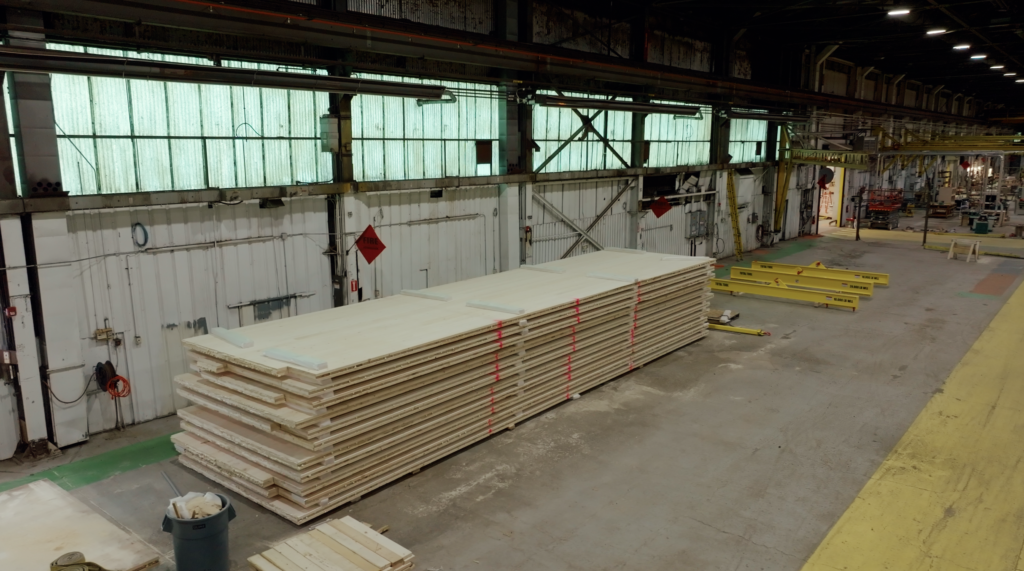
The right palette is narrow but well-established. Softwoods like cedar, aspen, and hemlock are the workhorses for a reason. Thermally stable, non-toxic at temperature, and they age well. Thermally modified wood is growing in popularity, especially for commercial environments. Any material choice should be evaluated carefully and ideally reviewed by someone who has seen those materials perform over time.

4. Inadequate Insulation
The sin of thermal leakage
A sauna that can’t hold heat makes the heater work harder, drives up operating costs, and delivers an inconsistent experience. In colder climates, like our Midwestern winters, this isn’t a minor inefficiency. It’s a fundamental performance failure.
We are designing for the harshest climates.
The spec needs to address insulation R-values, vapor barrier placement, and the specific risks of thermal bridging at framing members. Foil-faced insulation is worth considering for its radiant heat reflectance. Doors and penetrations need to be detailed as carefully as the wall assembly. This is a building envelope problem and it deserves the same rigor.
Most architects understand this for continuously heated buildings. But sauna includes an important distinction beyond R-values: thermal mass. The quality of heat is impacted by its uniformity in the space. From the amount of stone on the heater to the depth of wood in the walls, thermal mass contributes to both the longevity and quality of the experience.
5. Poor Bench Design
The sin of discomfort
The sauna is equal parts architecture and furniture design. One of the few spaces where seating is built directly into the environment. And you can’t hide mistakes here. People are asked to put their phones down and be fully present. Every flaw is felt.
Benches are where the occupant actually experiences the sauna, and they’re where a lot of projects cut corners. Too narrow, too low, or the wrong depth and you’re forcing uncomfortable postures. Single-tier layouts eliminate user choice. Rough or poorly finished surfaces create splinter risk and accelerate wear.
Good bench design means multiple tiers at appropriate heights, dimensions that allow for seated and reclined positions, rounded profiles on all exposed edges, and adequate clearance beneath for airflow. In commercial applications, it also means planning for maintenance access and material replacement over time.

6. Skipping a Proper Drainage System
The sin of water damage
Moisture is not an edge case in a sauna. It’s a constant. Sweat, steam, and water use mean the floor is regularly exposed to liquid. Traditional Finnish saunas are used for washing and bathing, not just working up a light sweat. Without a properly sloped floor and functional drain, you’re designing for rot, mold, and structural degradation.
No drain, no good.
For commercial sauna builds, especially, treat this with the same rigor as a wet room or shower: positive slope to drain, appropriate waterproofing membrane, and material selection rated for sustained moisture exposure. Stone and tile with proper drainage systems are the standard for a reason.
A great sauna invites water. Rinse off, pour a bucket over your head, hose it out for seasonal cleaning. Never worry about moisture going where it shouldn’t.
7. Neglecting the Sensory Experience
The sin of building a box instead of an experience
Sauna is a full sensory experience. The feel of steam on skin, the smell of warm wood, the sizzle of water over hot stones, the view of the space around you, and the taste of the hydration your body so desperately needs.
Designing these elements with intention is what separates a sauna that functions from one that clients rave about. A sauna exists to produce a specific experiential state: deep warmth, stillness, disconnection from the outside world. Harsh overhead lighting, awkward proportions, and generic finishes undermine that entirely.
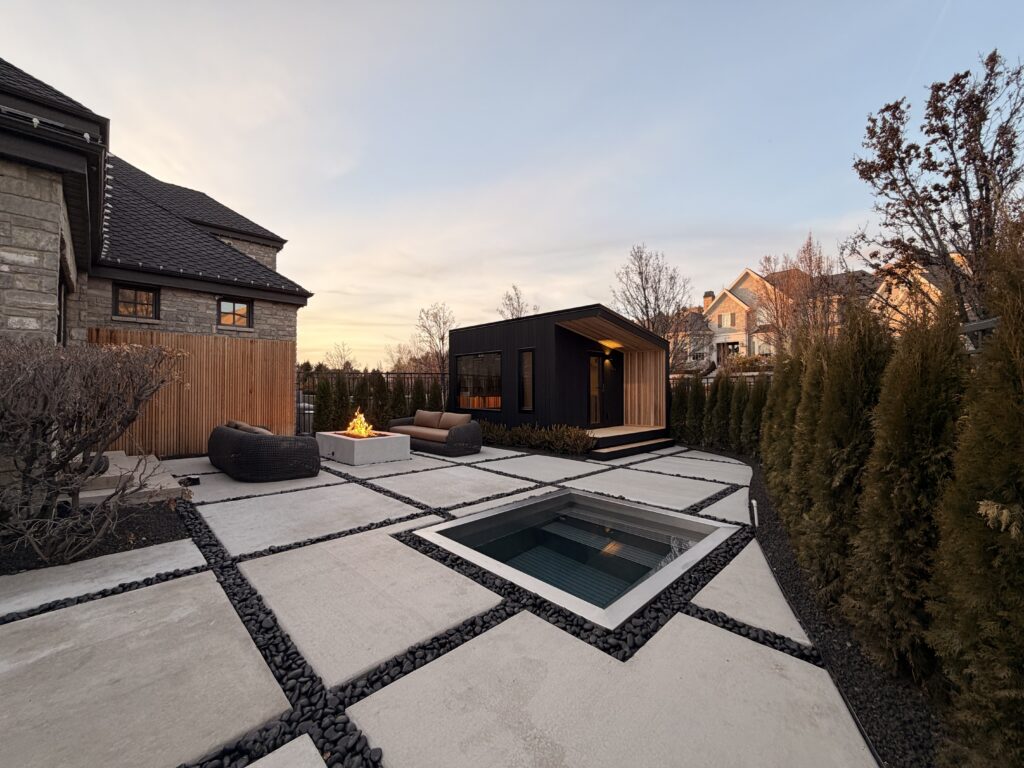
Thoughtful sauna design considers the quality and directionality of light (warm, indirect, dimmable), the acoustic character of the space, the material palette as it reads at close range and under heat, and how the room connects visually and spatially to what surrounds it. For residential projects, this often means a view to a garden, pool, or cold plunge. For hospitality, it means a sequence that builds anticipation before the user even enters. These aren’t decorative considerations. They’re what determines whether the space delivers on the client’s investment.

Bringing your project to life
Technical precision and sensory design aren’t competing priorities. The best sauna projects execute both. But beyond the spec, the best sauna projects do something else: they solve for the full ritual.
Sauna is a verb.
It’s not a room you enter. It’s a practice you move through. We call it the thermic cycle: hot, cold, rest, rehydrate, repeat. Each step makes a demand on the built environment, and each one deserves to be designed for intentionally.
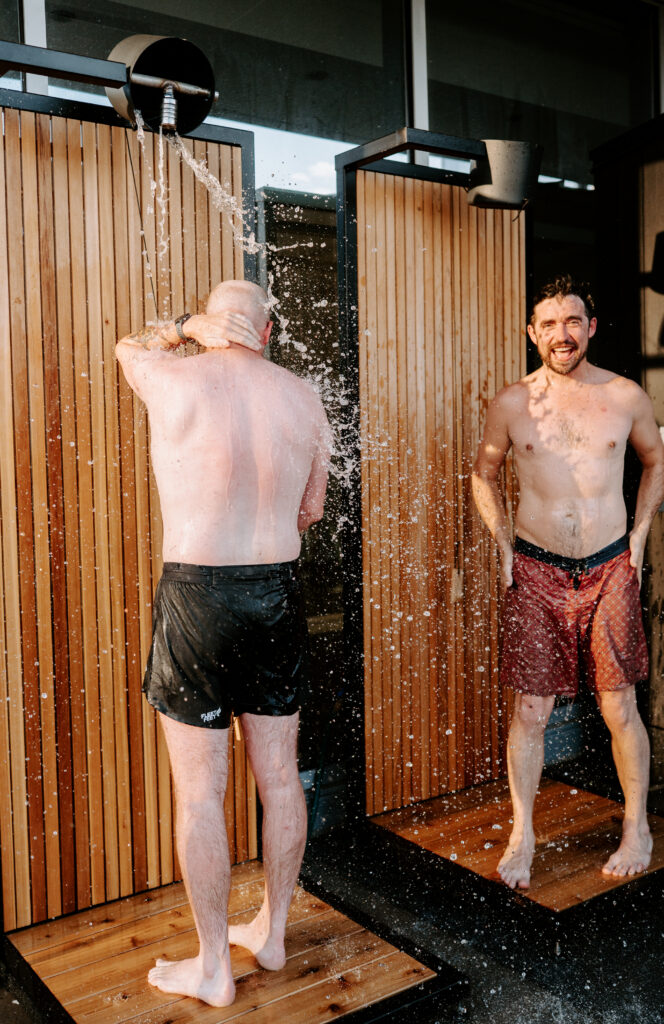
Where does the cold plunge or cold shower live in relation to the sauna door? Is there a place to rest that feels genuinely removed from the world, not just a bench in a hallway? Is there a water source nearby, positioned naturally within the flow of the ritual? How does the sequence feel as a person moves through it, again and again, over the course of an hour or an afternoon?
These are the questions we bring to every project. And we bring something most consultants can’t: we’re operators. We run a sauna experience, which means we’ve watched how real bodies actually move through these spaces. We know where shoes get kicked off and where they need a place to land. We know where towels pile up if there’s nowhere to hang them, where people hesitate because the transition from hot to cold isn’t intuitive, and where a poorly placed door handle becomes a burn hazard that no one caught until opening day.
That operational knowledge lives in the details that don’t show up on a standard spec. It’s the difference between a sauna that looks right on paper and one that works for the people using it every day.
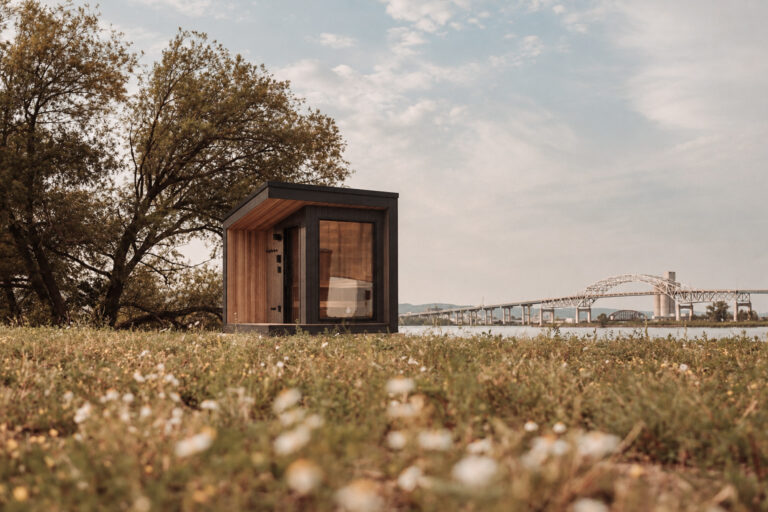
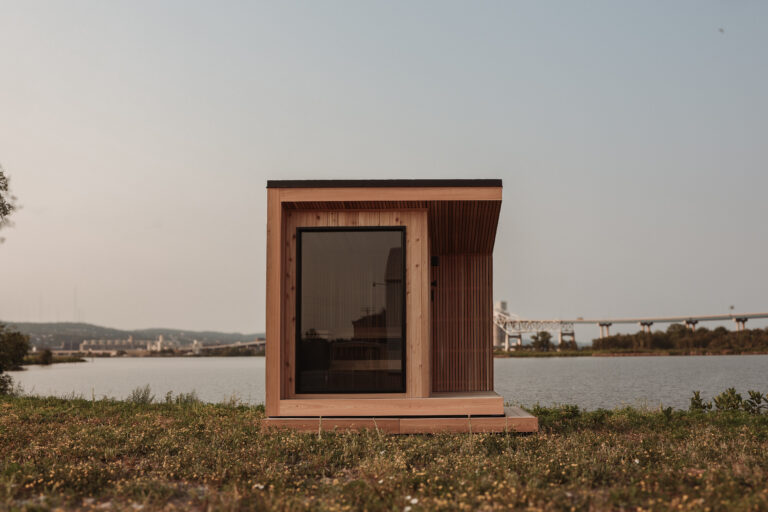
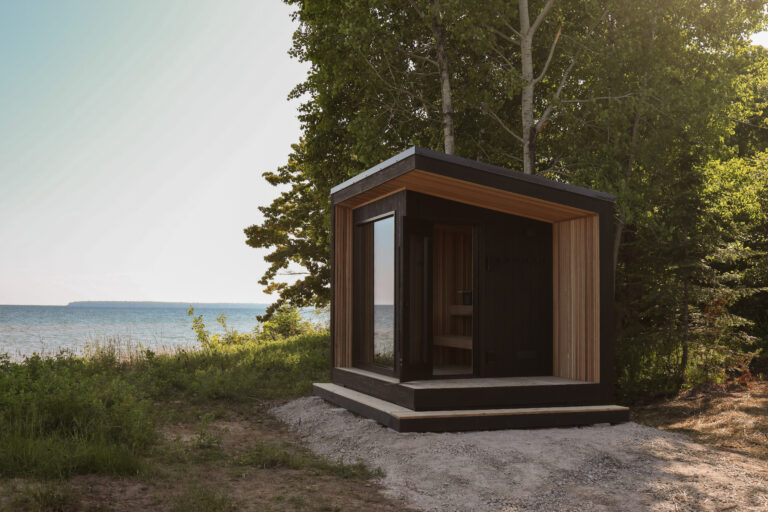
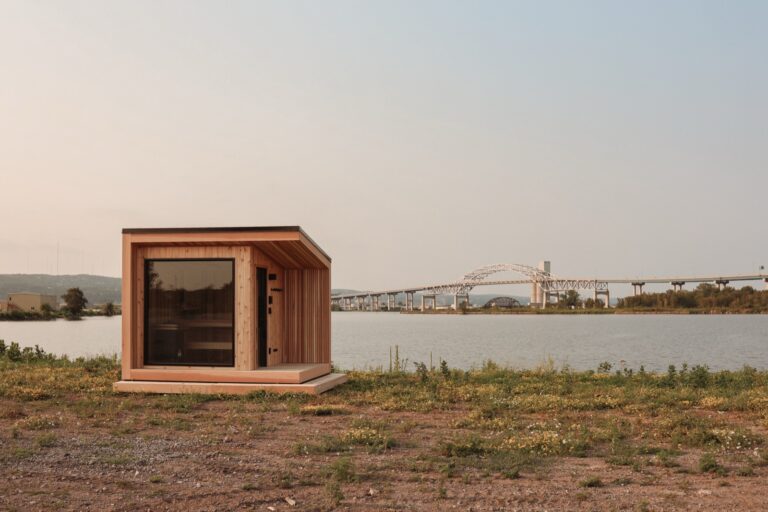
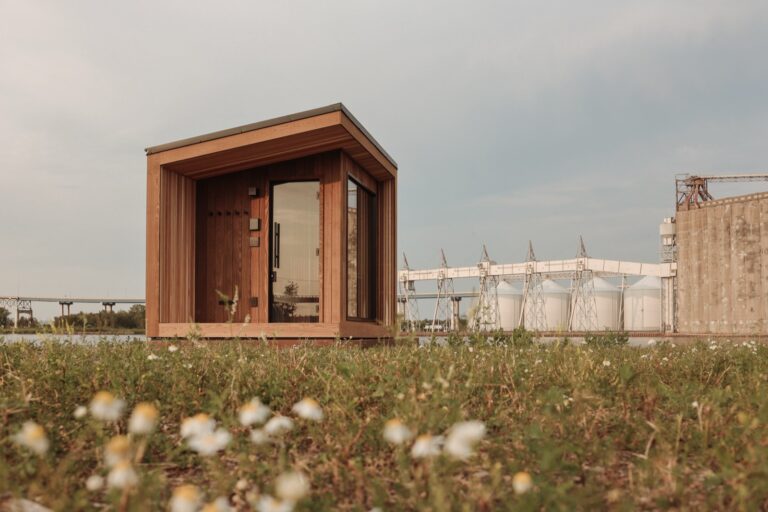
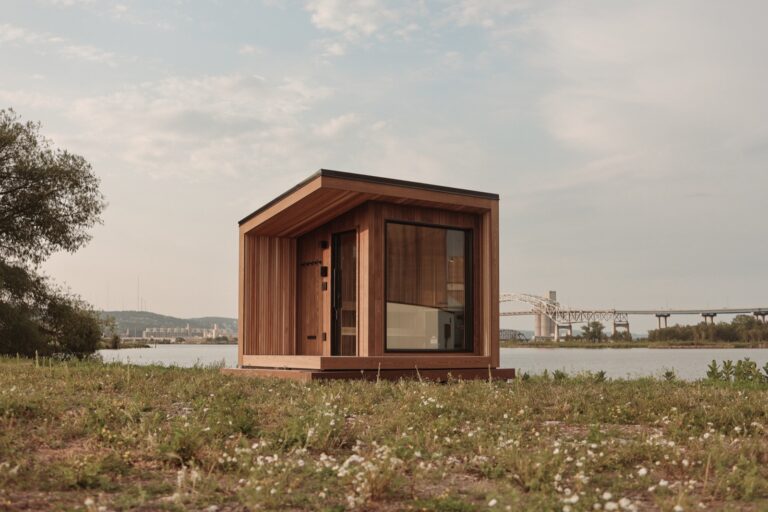
At Cedar & Stone Nordic Sauna, we don’t ask architects to draw a sauna from scratch and hope it performs. We’ve done that work already. Our premium model range offers outdoor sauna footprints, each designed and refined from the ground up with every detail of the thermic cycle accounted for. Specify the model, plan the site, and we handle the rest. Delivered and installed in a single day.
For your clients, that means no lengthy custom build process and no construction uncertainty. For you, it means a proven product you can put your name next to with confidence, backed by a team that has lived inside this practice long enough to get every detail right.
If sauna is on the plans, or your client is asking about it, let’s talk early. The best outcomes happen when sauna is part of the plan from the start, not an afterthought at the end.