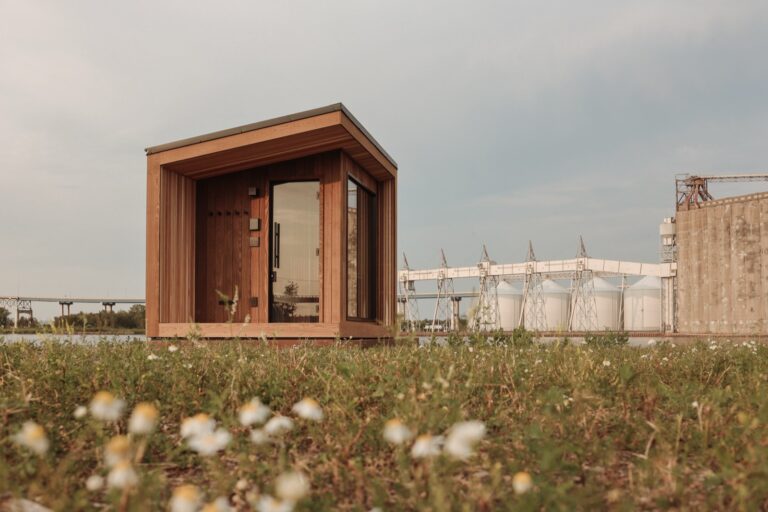
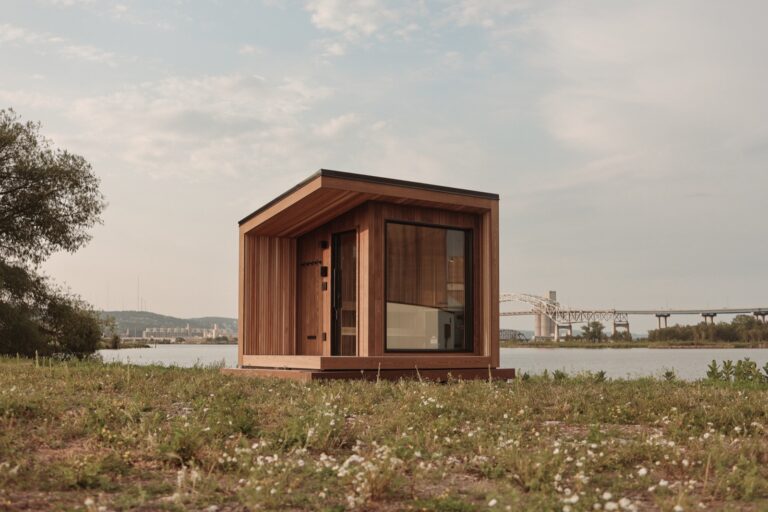
How do you design a short-term rental or stay that guests choose before they even pick a destination?
As wellness tourism surpasses $1 trillion globally and competition among Airbnb and vacation rentals continues to grow, travelers are shifting how they book. More than ever, guests are discovering properties through social media, saving them, sharing them, and planning trips around the experience itself.
In this webinar, Cedar & Stone Co-Founder Justin Juntunen sits down with Hospitality & Travel Photographer Jon Kreye, who has visited and documented over 300 unique vacation rentals, to break down what actually drives bookings in today’s market.
Jon shares what he sees across hundreds of properties. Which amenities stand out, what makes a property memorable, and why experiential hospitality, not just aesthetics, is what leads to higher occupancy, stronger reviews, and repeat guests.
Justin brings the builder and operator perspective, unpacking what it takes to design a sauna that performs in real-world conditions. Not just something that looks good in photos, but something that holds up under daily use and consistently delivers for guests.
Watch the full webinar:
Why experiential travel is changing how people book
One of the more useful ways to understand what’s happening in short-term rentals right now is to look at where a booking actually starts.
Suprisingly, it doesn’t always begin on Airbnb or VRBO.
More often, it starts much earlier, when someone comes across a property that holds their attention long enough to save it, send it to a friend with a quick “Hey! We should stay here!”, or come back to it later. By the time they are ready to book, they are not comparing a blank list of options. They are returning to something that already made an impression.
As Jon described it, people are increasingly planning their trips around the stay itself, rather than choosing a destination first and figuring out accommodations afterward.
“People are finding unique destinations to stay in on social media… and they’re planning their trip and activities around the stay versus the location.”
That changes the frame for hospitality and short-term rental owners. It means your property is being considered alongside others well outside your immediate geography, and often long before a guest has committed to where they are going.
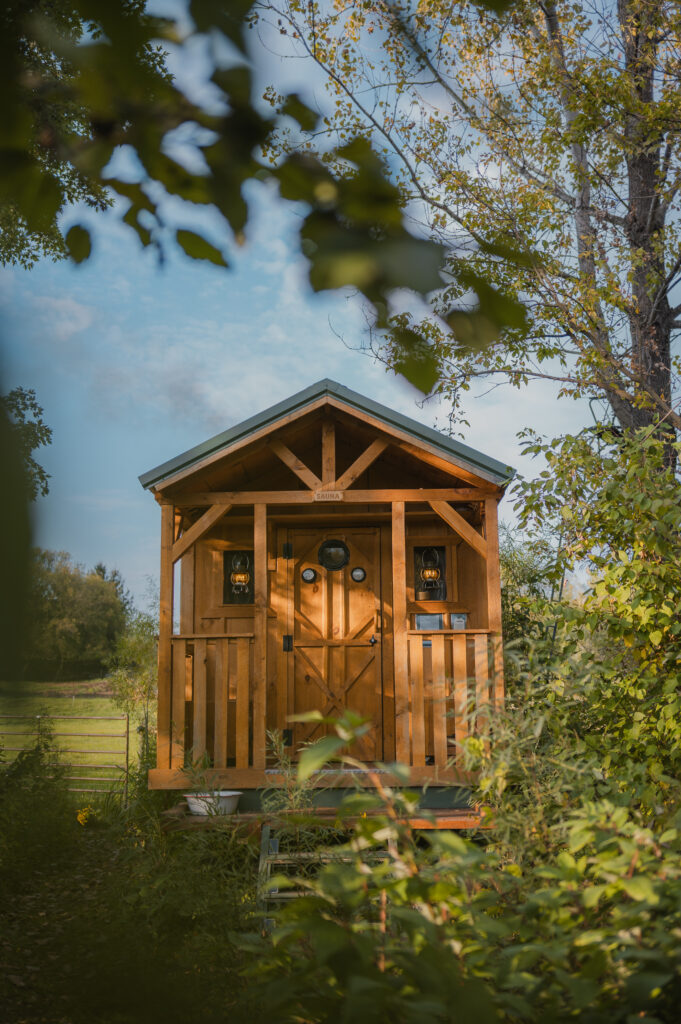
What tends to separate the properties that get remembered from the ones that don’t is how quickly a guest can understand what their time there would actually feel like. The strongest examples don’t require explanation. You can see how the space is used, how a day might unfold, and what would pull you back into it.
Jon summed it up simply when he said that being able to picture yourself in a property is what makes the difference.
That ability to imagine the experience is what turns passive interest into something more durable.
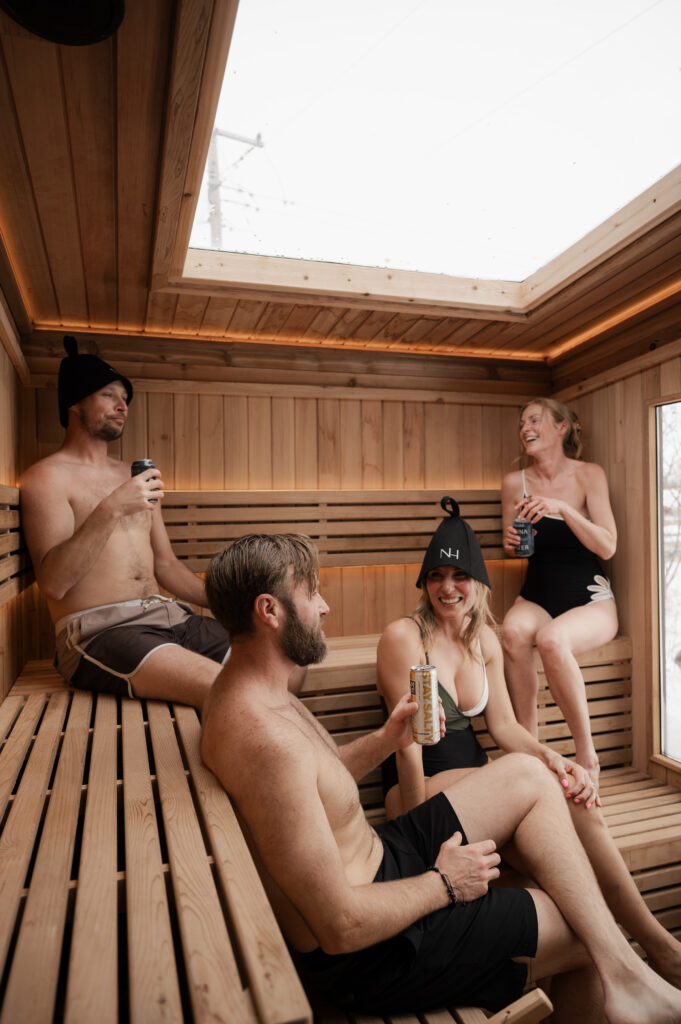
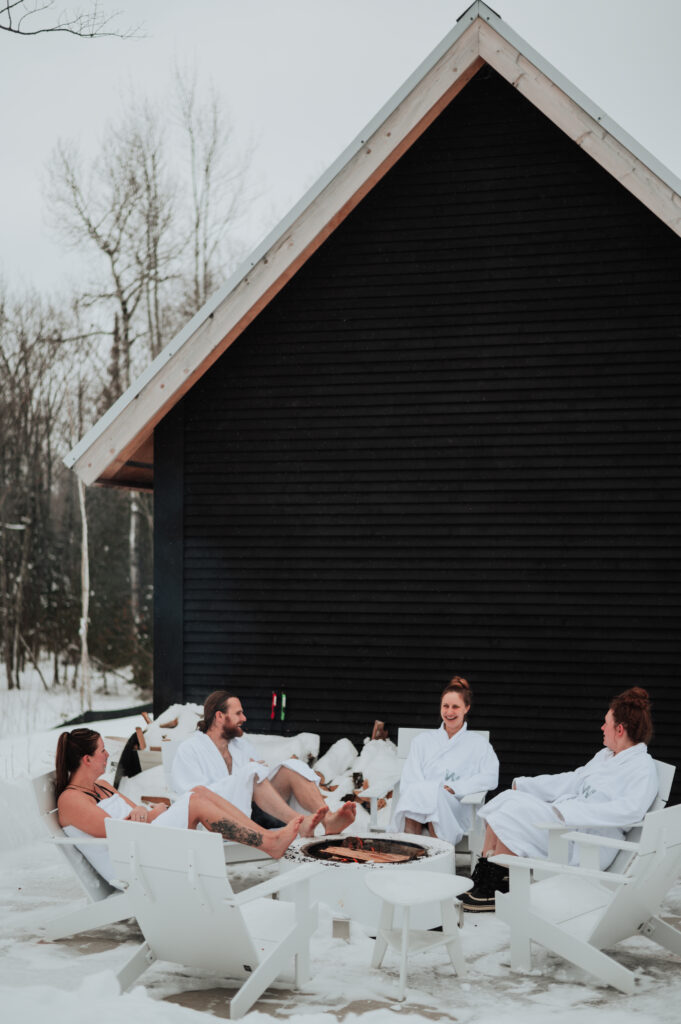
Sauna as an amenity that shapes the stay
Once experience becomes the lens, the role of amenities starts to change.
They carry more weight in how a property is evaluated, not just because they exist, but because of what they allow guests to do.
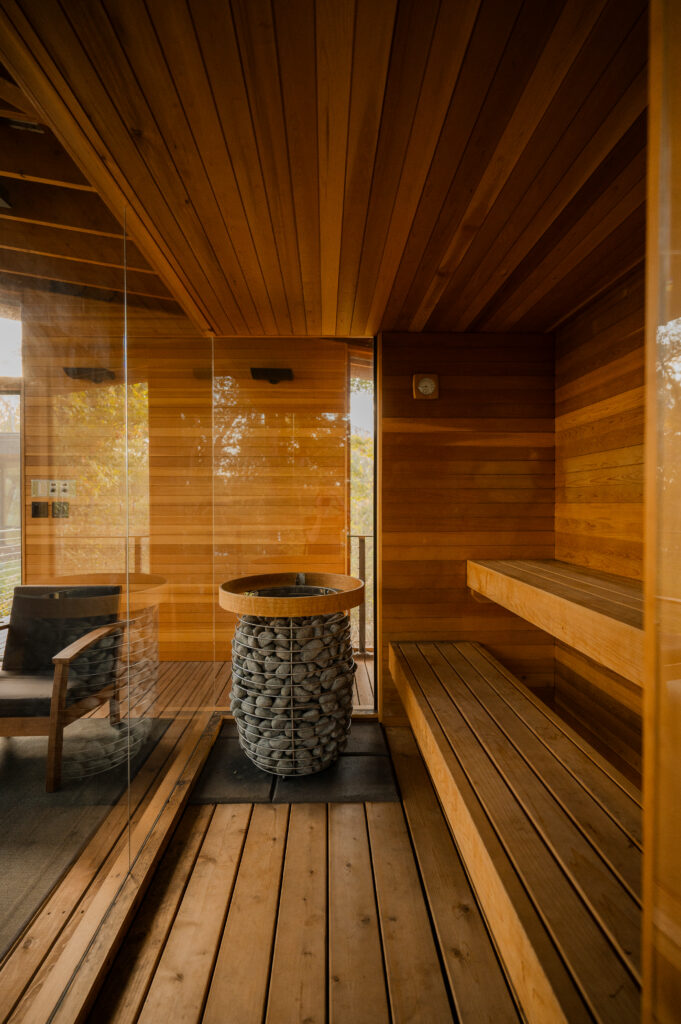
In Jon’s work, certain requests come up again and again when people ask for recommendations. Access to water, spaces designed for gathering, and increasingly, sauna.
These are the elements that give structure to a stay. They create moments that guests can anticipate and return to, rather than leaving the experience to chance.
From an owner’s perspective, that shows up in tangible ways. Properties built around a clear, repeatable experience tend to generate stronger reviews and more return visits, largely because guests leave with something specific they can point to when they describe their time there.
Sauna fits into that pattern in a way that is both straightforward and often overlooked.
Jon’s own experience of learning the ritual of sauna speaks to that shift.
“I’ve never felt this way before… I was on a mission to visit and photograph stays that had a sauna because I loved it so much.”
Once experienced in the right setting, it tends to leave a lasting impression.
What begins as something new becomes intuitive, and often something guests return to throughout their stay. That repeat use is part of what gives sauna its staying power as an amenity.
It also tends to create something that’s harder to plan for directly, which is shared time removed from technology and screens. Guests aren’t just moving through the space individually. They’re sitting together, stepping in and out together, and often carrying those conversations beyond the sauna itself without distraction. For many properties, that becomes one of the moments guests talk about afterward, even if it wasn’t what initially drew them in.
Thinking through the operational side
Of course, choosing an amenity isn’t only about guest demand. It has to work in practice.
This is where the conversation naturally turned toward operations, because what looks compelling on a listing can introduce friction behind the scenes if it isn’t considered carefully.
Hot tubs are a good example. They are widely requested and often expected, but they can come with requirements that are easy to underestimate, particularly around maintenance and local regulations.
“There are some hosts… that are required to completely dump the water from the tub and refill it between each guest.”
That creates additional cost, time, and potential gaps between bookings.
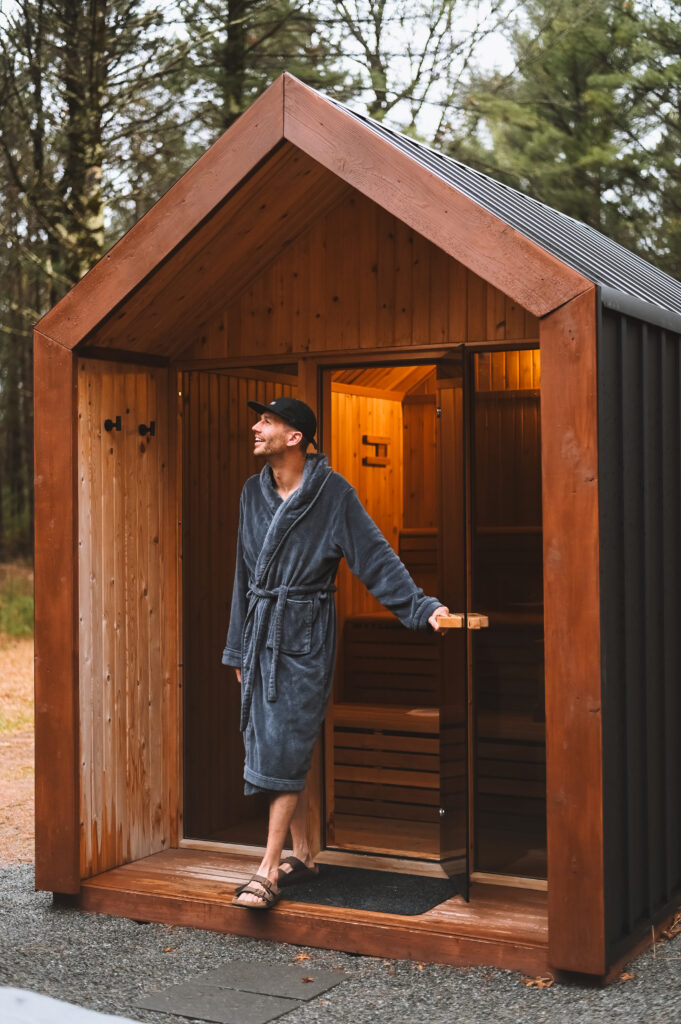
Sauna, when designed with regular use in mind, tends to be more predictable. It avoids many of the variables that come with water systems and generally requires less ongoing intervention to deliver a consistent experience. Upkeep and maintenance are minimal and can often be completed seasonally to maintain a good experience for guests.
That consistency matters more as occupancy increases, because it allows the focus to remain on the guest rather than on managing the amenity itself.
The role of marketing in making it work
Even when a property is well-designed and thoughtfully equipped, there is still the question of how that experience is communicated.
Jon described this as the other half of the equation. Creating the experience is one part of the work. The other part is helping people understand it before they arrive.
That distinction shows up clearly in how different listings perform.
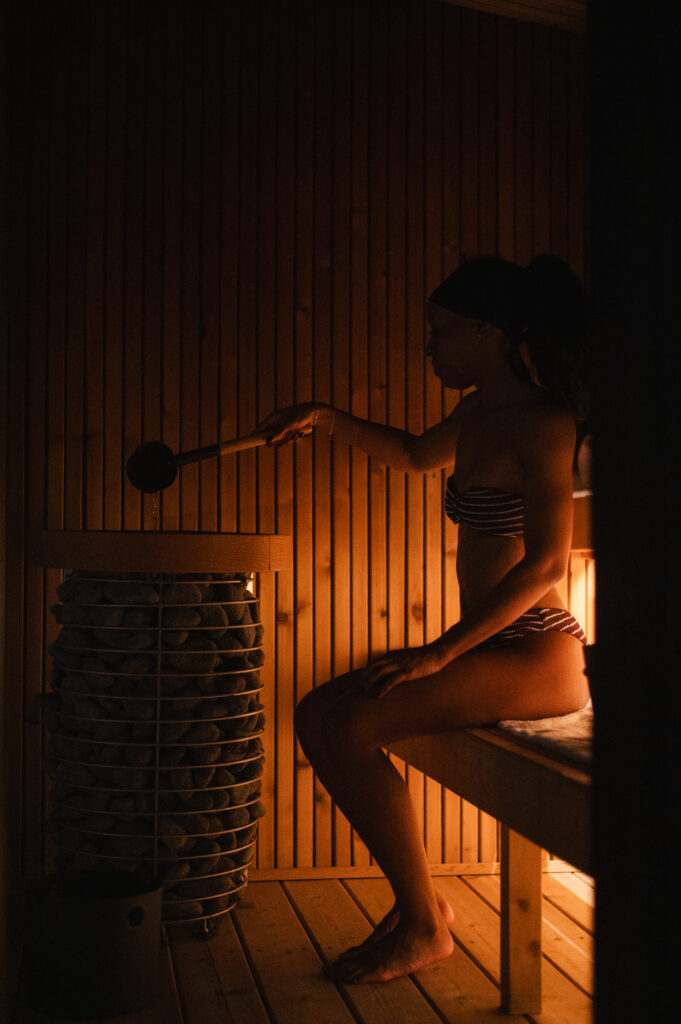
Spaces that are presented as static environments tend to blend together, while those that show how the space is actually used, with people, with movement, with a sense of time, tend to hold attention longer.
His goal, as he explained it, is to capture what it feels like to be there, which is ultimately what a guest is trying to assess when they come across a property for the first time.
That approach aligns with how people now move from discovery to booking. They rarely act on a single impression. They save, revisit, and share, gradually building familiarity with a place before making a decision.
Properties that support that process tend to stay in consideration.
What this adds up to for owners
When you step back, the implications are fairly direct.
Guests are making decisions earlier and with a different set of criteria than they did even a few years ago. They are looking for experiences they can understand quickly and return to throughout their stay.
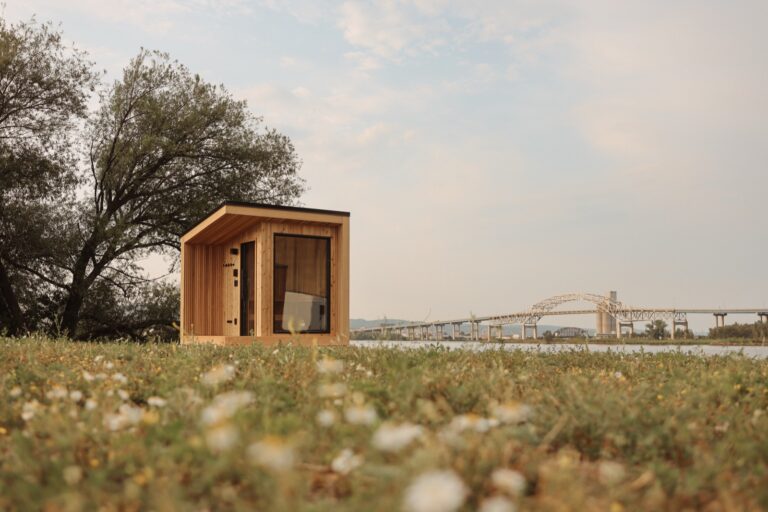
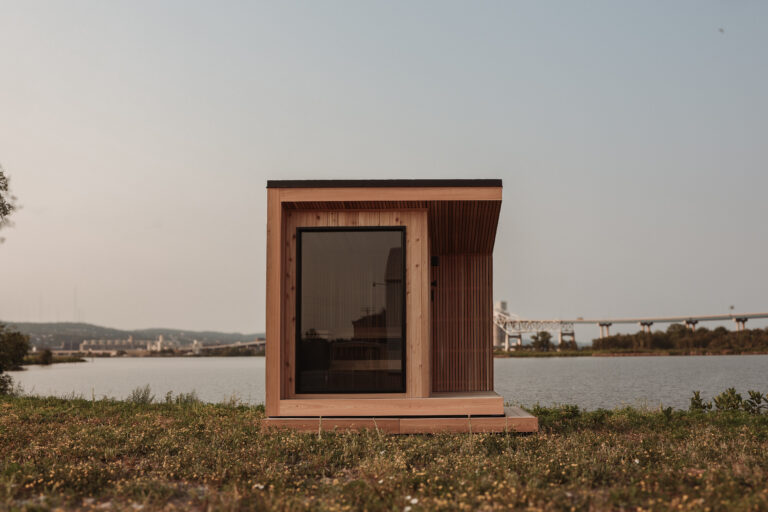
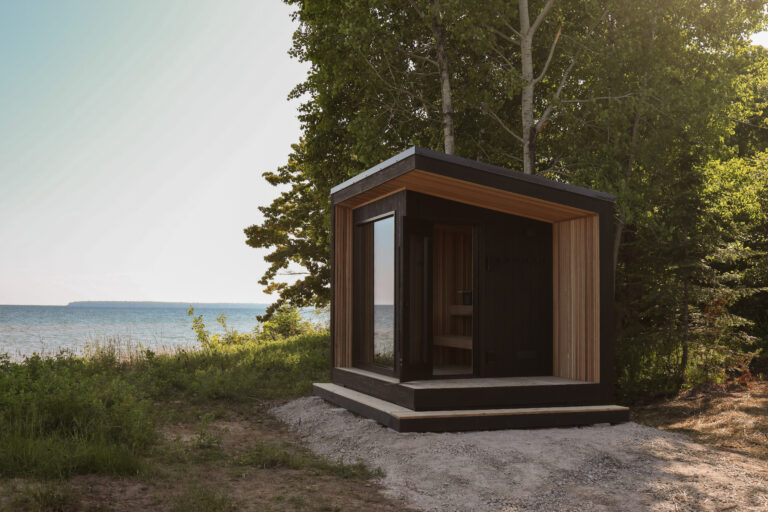
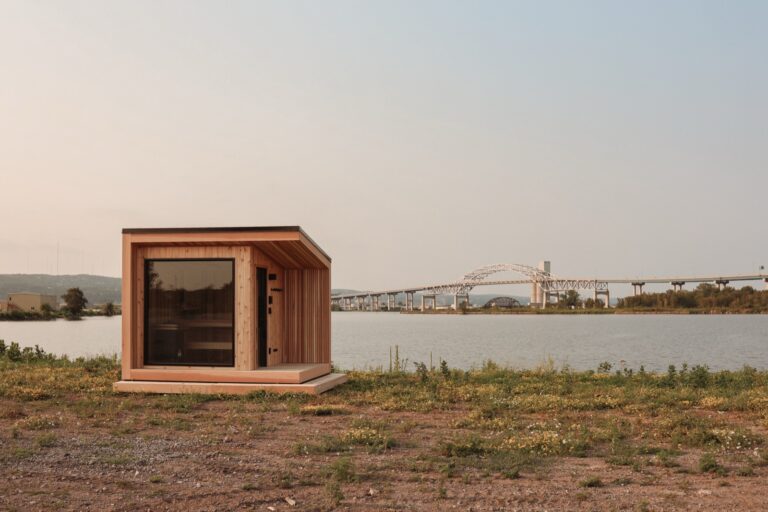
Amenities like sauna are becoming part of that decision process because they contribute directly to how a stay is structured and remembered, while also fitting within a practical operational model.
When those elements are paired with clear, experience-focused storytelling, the result is a property that is more likely to be discovered, saved, and ultimately booked.
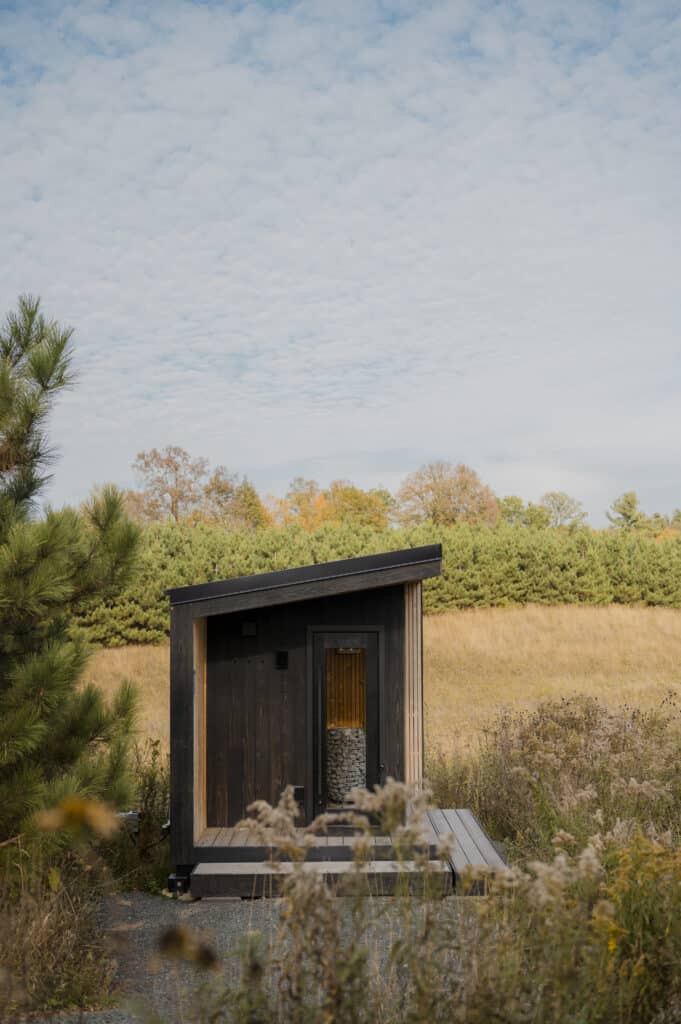
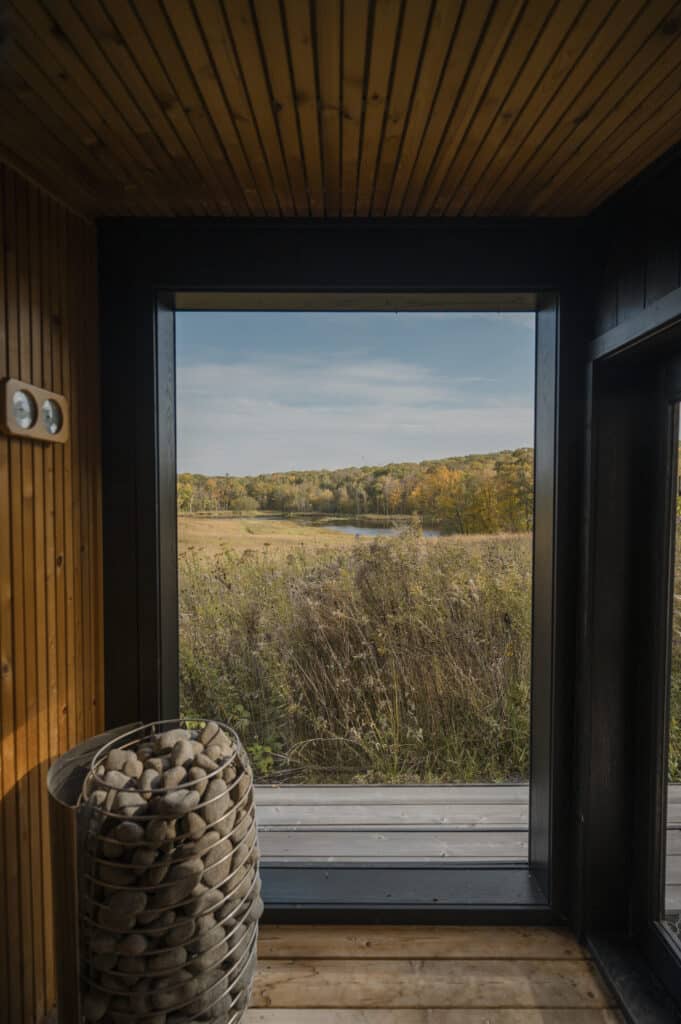
Elevate your guest experience
If guests are choosing properties before they choose destinations, then the question isn’t just how your property compares locally. It’s whether it gives someone a reason to choose it at all.
That decision rarely comes down to finishes or layout alone. It comes from how clearly a guest can understand what their time there will feel like, and whether that experience is distinct enough to remember, share, and return to.
Sauna has started to play a larger role in that decision, not because it’s new, but because it creates something that holds up over the course of a stay. It gives guests a way to spend their time, a place to come back to, and often something they continue to talk about after they leave.
For owners, the opportunity is straightforward.
To build something that performs well in a listing, works reliably in day-to-day operations, and delivers an experience that stays with people long after checkout.
If you’re thinking about how to bring that into your property, our team would be glad to talk through it with you. Book a sauna consultation below to get started.